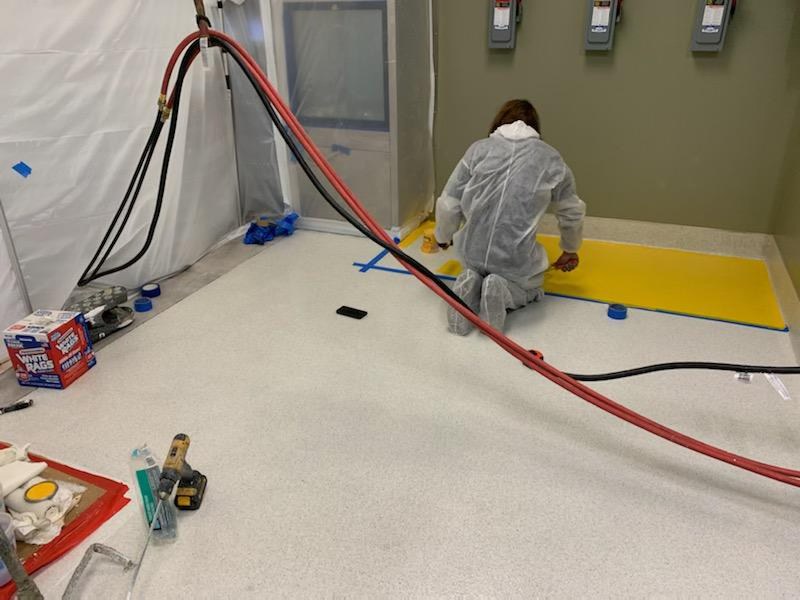
Concrete flooring in Colorado faces a tough set of challenges. The climate here is intense. Extreme temperature changes, freeze-thaw cycles, and strong UV exposure all wear down concrete. Also, you must consider how the floor will be used. Contractors choose Epoxy Flooring Colorado that enhances both performance and appearance. Epoxy Flooring Colorado that combines strength, safety, and visual appeal.. A warehouse floor sees heavy forklift traffic, while a showroom deals with constant foot traffic and spills.
Because of these things, you can't just pour concrete and hope it works out. You must be strategic and know how to measure success. That's where key metrics come in. These metrics let you assess how well your concrete floor is holding up.
Consider this: If you don't track abrasion resistance, impact resistance, and chemical resistance, you're guessing. You might get a floor that cracks, chips, or stains easily. That leads to repairs and downtime.
RFE offers concrete flooring options made to handle Colorado's challenges. We work to fix the causes of common problems. We make sure your concrete floor gives dependable performance and lasts a long time. From surface prep to choosing the right coatings and sealants, we can help you avoid future issues.
Colorado's environment presents challenges for concrete floors. Temperature swings, especially between day and night, cause concrete to expand and contract. Over time, this movement can cause cracks and surface damage.
Altitude also matters. Higher elevations mean less air pressure, which affects how concrete cures. This can impact the concrete's final strength and density.
Consider the sun, too. Colorado gets a lot of UV exposure. UV radiation can break down polymers in some concrete sealers and coatings. This leads to discoloration and wear. Many people don’t think about it until it’s too late.
What does this mean for your concrete floors? If you ignore these factors, you might face more frequent repairs and a shorter flooring lifespan. You could also face some safety issues. Choose the right concrete mix, sealers, and installation methods to withstand the Colorado climate. RFE can help you navigate these challenges and ensure your concrete flooring lasts.
Durability in concrete flooring means it can handle wear and tear. This includes resisting impacts, heavy loads, and general use. This is key for Colorado warehouses and industrial sites. Heavy machinery and materials constantly move there. Imagine forklifts driving over the same spot or heavy pallets dragged across the floor. Without good durability, the concrete will degrade fast. This leads to costly repairs and downtime.
Abrasion resistance is a type of durability. It focuses on how well a floor resists surface wear from friction. Think of tires, foot traffic, or sweeping constantly grinding. Abrasion resistance is key in places like auto shops or factories. If not, the concrete surface will erode. This creates dust and could expose the aggregate, which speeds up wear. This looks bad and can be a safety risk.
Why is this so important? Think about the cost to replace a concrete floor in a big warehouse. It's not just materials. It's also the lost work while the site is closed for repairs. A durable, abrasion-resistant floor cuts down on these issues and lasts longer. This means big savings and better work for Colorado businesses. Ignoring this is a bad idea that you will regret.
How do you measure durability and abrasion resistance? There are standard tests. For example, the Taber Abraser test measures how much weight a concrete sample loses after an abrasive wheel rotates on it. Other tests drop weights on the surface to check impact resistance. These tests give numbers that show if a concrete mix or coating meets the needed standards for a job. It's based on science.
Dealing with durability and abrasion resistance means planning ahead. Pick the right concrete mix. Prep the surface well. Use protective coatings like epoxy or polyurethane. These are all key steps. Talk to a concrete flooring expert early in the project. They can help find possible problems. They can make sure the floor can handle the demands of its setting. Don't wait until the floor falls apart to act.
When we talk about concrete flooring, especially in places like auto shops or dealerships, impact resistance and load-bearing capacity matter. You have heavy equipment, tools, and potential wear and tear. If the floor can't handle it, you will see cracks, chips, and failure. Nobody wants that.
Failure to address this leads to repairs, downtime, and safety hazards. Imagine a crack under a car lift while it's raised. Not good, right? That's why it's important to get this right, especially in tough spots.
Think about it: A car lift puts weight on a small area. A weak floor will buckle or crack. The same goes for dropping a heavy engine block. A good floor absorbs impact without damage.
How do you test for this? There are a few methods. One is the drop weight test. You drop a heavy weight onto the floor and see what happens. Another is the static load test. You apply constant weight and measure deformation. These tests determine if the concrete mix and install are good.
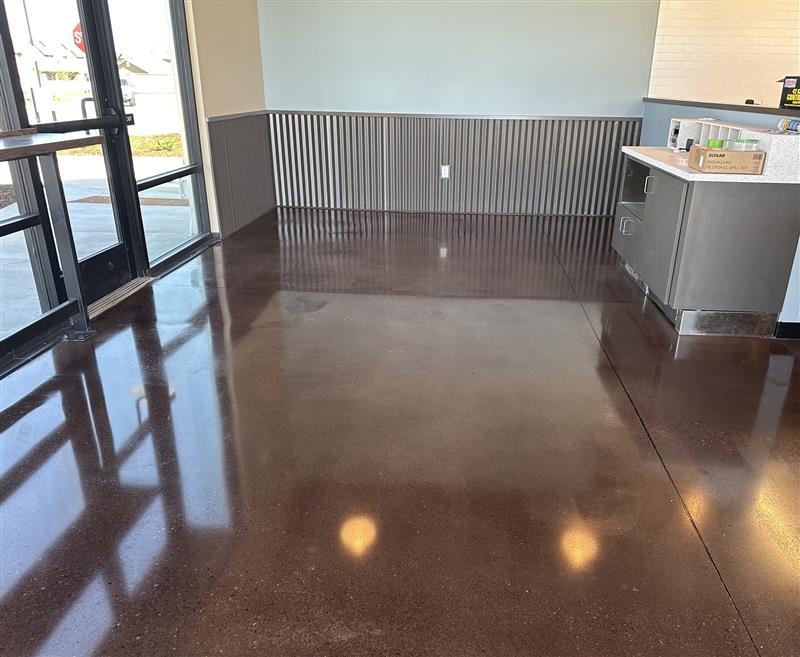
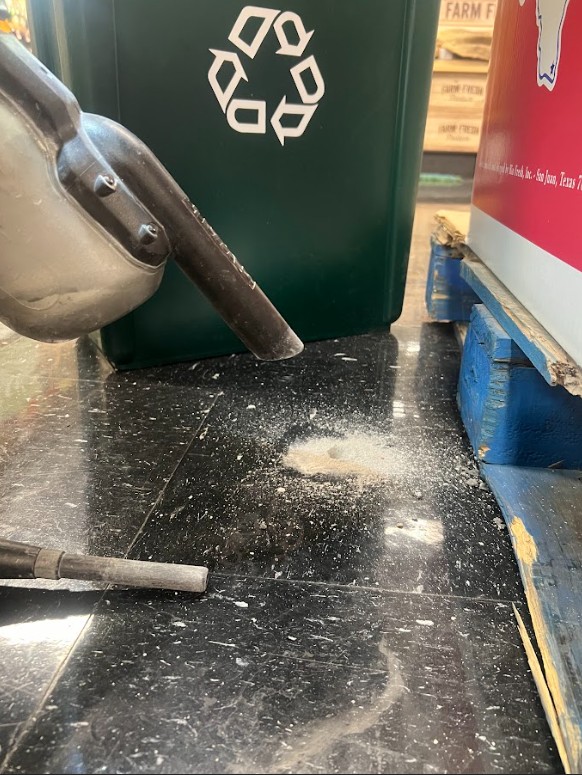
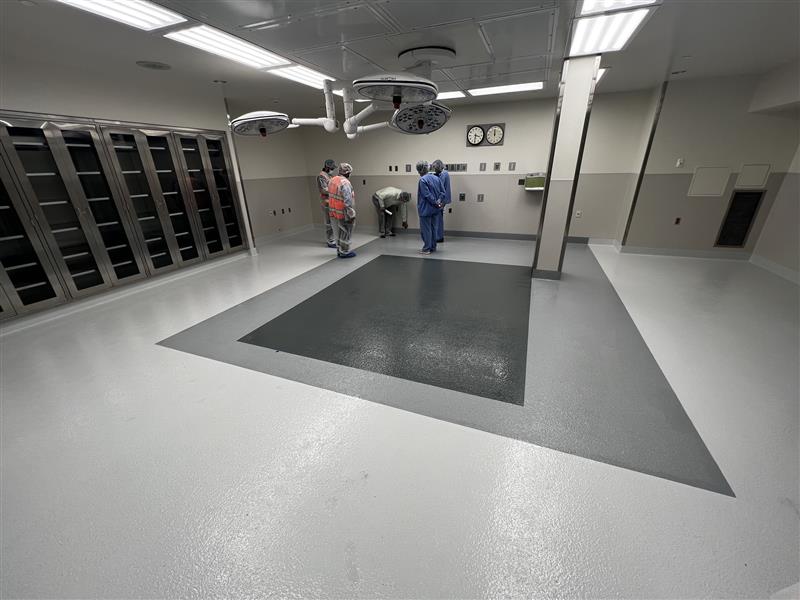
Let's discuss chemical resistance. It matters a lot, especially for concrete floors in healthcare facilities, medical offices, or garages. These floors often get exposed to spills, like harsh cleaning agents in hospitals or oil and solvents in garages.
Without chemical resistance, you might have problems. Staining, etching, and structural damage can happen. No one wants that.
How do we test for it? Specific tests exist to see how well a concrete floor handles different chemicals. The tests expose the concrete to substances like acids, alkalis, and solvents for a time, and then we check for damage. ASTM C1308 is a standard test method for chemical resistance of hydraulic cement mortars and can guide you.
For example, a hospital floor must handle disinfectants and sterilization chemicals. A garage floor needs to resist motor oil, brake fluid, and other car chemicals. If you skip this, your floors might look bad and need constant repair. That will cost more over time. RFE has solutions to help solve these problems and make sure you're covered.
Let’s discuss slip resistance. It matters, especially for concrete floors in places where people walk. Think stores, warehouses, or even your garage. You don't want falls and injuries.
How do you ensure your floor isn't slippery? There are standards and tests. One is the Coefficient of Friction (COF). It measures the force needed to slide something across the floor. A higher COF means more friction and less chance of slipping.
There are ways to test COF. Some drag a weighted object across the floor and measure the force. Others use a pendulum device. Use a known testing method. Make sure the results meet the standards for your space. A grocery store has different needs than a warehouse.
Ignoring slip resistance invites trouble. Expect accidents, injuries, and lawsuits. Plus, a safe space benefits your employees and customers. Coatings or textures can improve slip resistance. Getting it right is a worthwhile investment.
Colorado's climate presents challenges. We see big temperature swings between day and night and summer to winter. Your concrete floors are always expanding and contracting. If this isn't controlled, you risk cracks and warping.
Thermal stability matters. You want a floor that can handle temperature changes. Predictable expansion and contraction is also important. You need to know how the floor will react to design and install it well.
Here is why: Use the right concrete mix. Some mixes resist thermal stress. Also, add fiber reinforcement. These fibers hold the concrete together, even under stress. Expansion joints also matter. They give the concrete room to move. If you skip these, the concrete *will* relieve that stress, which means cracking.
Next steps: RFE offers solutions for Colorado's challenges. We can help you choose the right materials and design a lasting floor, even with our weather. We know what works. We've seen what doesn't. Let's work together to ensure your concrete floor performs well for years.
Let's discuss moisture. It's important, especially in places with freeze-thaw cycles and changing soil. Concrete is porous, so it can absorb moisture from the ground. This can cause mold, mildew, and damage to the floor. This is more likely in basements or areas near groundwater.
Vapor transmission matters. It's how moisture moves through concrete. Control it to avoid problems. Vapor barriers are important. They go under the concrete slab to stop moisture. Think of it as a raincoat for your floor.
How do you know if you need a vapor barrier, or if yours works? Testing helps. You can measure the moisture vapor emission rate (MVER) or relative humidity (RH) in the concrete. These tests show how much moisture comes through the slab. Then, you can pick the right flooring and prep work.
Ignoring moisture causes problems. Flooring might bubble, peel, or fail early. Also, mold can cause health issues. So, addressing moisture is worth the time and money.
Ease of cleaning and maintenance matters for any concrete floor. Warehouses, shops, hospitals, and homes all need floors that are easy to keep clean. A hard-to-clean floor looks bad. In healthcare, it can even pose a health risk.
Coatings can help. The right coating can make a big difference in how easily you clean and maintain your concrete floor. For example, epoxy coatings create a smooth, non-porous surface. Spills and dirt don't soak in, so they are much easier to wipe up.
Some solutions meet specific needs. Some coatings resist chemicals. This is important in auto shops or industrial spaces. Others resist slips. This is important for safety in healthcare or homes with kids or older people.
Without the right coating, concrete is hard to maintain. It can stain, collect dust and bacteria, and break down. A good coating saves time and money. Plus, it keeps your floor looking good.
Let's explore how epoxy coatings improve your concrete floor's performance, especially in Colorado, where we have unique challenges.
Consider warehouses, industrial spaces, and garages. They all need floors that can handle wear and tear. Epoxy coatings are helpful.
First, abrasion resistance matters. Concrete wears down over time, especially with forklifts or heavy equipment. Epoxy adds protection, so floors last longer, and you save money.
Next, consider impact resistance. Items drop, and epoxy helps prevent cracks and chips. Also, it creates a smooth surface, important for hygiene in places like healthcare facilities. No cracks mean nowhere for bacteria to hide.
Colorado's climate is tough. Temperature changes harm concrete. Epoxy coatings handle those changes, preventing expansion and contraction issues that cause cracking.
Also, chemical resistance is key. Spills occur, especially in auto shops or industrial areas. Epoxy protects your concrete from oils, solvents, and other chemicals that cause staining and damage. Easy cleanup is a plus.
Finally, consider appearance. Epoxy isn't just about function. You can customize it with colors and designs. This is useful for branding in commercial spaces or improving your garage's look. It's beneficial.
So, you want to find the best concrete flooring for your situation? It comes down to what you need the floor to do, your budget, and the location. A warehouse floor has different needs than a car dealership showroom floor.
For warehouses and industrial spaces, toughness matters most. Expect heavy traffic, forklifts, and spills. Epoxy coatings work well here because they are strong. However, they can cost more at first. Polished concrete is another choice. It’s very tough and needs little upkeep, but the first cost can also be high.
Now, for a retail store, looks may matter more. You want something attractive and easy to clean. Stained concrete or decorative epoxy could work. They allow for many designs. The cost depends on how complex the design is.
And then there's money. This matters to everyone. Weigh the first cost against upkeep and repairs. Sometimes, spending more at first on a better choice saves you money later. Think about the long-term cost benefits. It’s a balance.
Let’s examine some real-world examples of concrete flooring projects in Colorado. Seeing how things play out is more helpful than just talking about theory.
Consider a large warehouse. We worked with one in Denver that had dusting issues. The concrete floor couldn't handle the forklift traffic. They constantly cleaned, but it was still a mess. We used a heavy-duty epoxy coating, made for high-impact areas. Proper surface prep was key. We ground the existing concrete to open the pores and ensure a good bond. The result? No more dusting, increased reflectivity, and a floor that can handle daily use.
Next, there was the auto shop in Colorado Springs. Oil, grease, and chemicals covered the floor. They needed something chemical resistant and easy to clean. We suggested a urethane concrete system. It costs more at first, but it's tough when it comes to those harsh chemicals. Also, it has a slight texture, which adds slip resistance.
One common mistake? People skip the surface preparation. They think they can just apply a coating. That's a recipe for failure. The coating will peel, chip, and fail early. Proper prep (grinding, patching, cleaning) is worth the cost. It's the base for a lasting, high-performing concrete floor.
Compressive strength is a critical metric, especially in Colorado's fluctuating temperatures. It measures the concrete's ability to withstand loads, indicating its durability and resistance to cracking under pressure. Higher compressive strength ensures the flooring can handle heavy traffic and equipment without structural failure, crucial for industrial or commercial settings.
Colorado's climate, with its freeze-thaw cycles and potential for snow and ice, demands high abrasion resistance. This metric assesses the concrete's ability to resist wear and tear from foot traffic, equipment, and deicing salts. Proper sealing and aggregate selection are vital to maintaining abrasion resistance over time, preventing dusting and surface deterioration.
Impact resistance measures the concrete's ability to withstand sudden, forceful impacts without cracking or chipping. Load capacity, closely related, indicates the maximum weight the flooring can support without deformation. These metrics are critical in warehouses or manufacturing facilities where heavy objects may be dropped or where machinery exerts significant pressure.
Want your concrete floor to last in Colorado? The right installation is key. Seriously. If you mess up the prep or the curing, you invite problems later.
First, prep matters. You must ensure the sub-base is stable. We mean proper compaction and correct moisture levels. Colorado's climate is tricky, so don't cut corners. Temperature swings can shift the ground. This movement will crack your floor if the base isn't solid.
Next, consider the concrete mix. You need a mix for the specific use and exposure. Discuss aggregate size, cement type, and needed additives to fight freeze-thaw cycles with your supplier. Don't just buy the cheapest option.
What about curing? Many people fail here. Concrete must stay moist as it hardens. In Colorado's dry air, use curing compounds, cover the slab with plastic, or mist it often. If it dries too fast, you get cracking and weak spots. Nobody wants that. Slow and steady wins here. Proper curing builds strength and durability. It pays off.
Let's discuss how to maintain your concrete floor. Regular maintenance and inspections are important. Think of it as caring for your car. If you skip oil changes, you will have problems later.
Heavy traffic is hard on warehouse and industrial spaces. Sweep often, daily if possible, to remove grit. This material wears down the surface. Also, mop up spills right away, especially chemicals or oils. These can stain or corrode the concrete.
Do you have commercial properties and auto shops? The same applies. Keep them clean. Check for cracks often. Small cracks are easier and less expensive to repair than large ones. If you see something, address it quickly.
Homeowners with epoxy garage floors, you are not exempt. While epoxy is strong, it is not invincible. Avoid dropping heavy objects, and use mats under items that could scratch the surface. Clean up oil drips right away. Colorado's freeze-thaw cycle can also cause problems if water gets under the epoxy through cracks. Regular cleaning and quick repairs are the best way to ensure durability. Ignoring problems leads to bigger, costlier repairs later. Take my word for it.
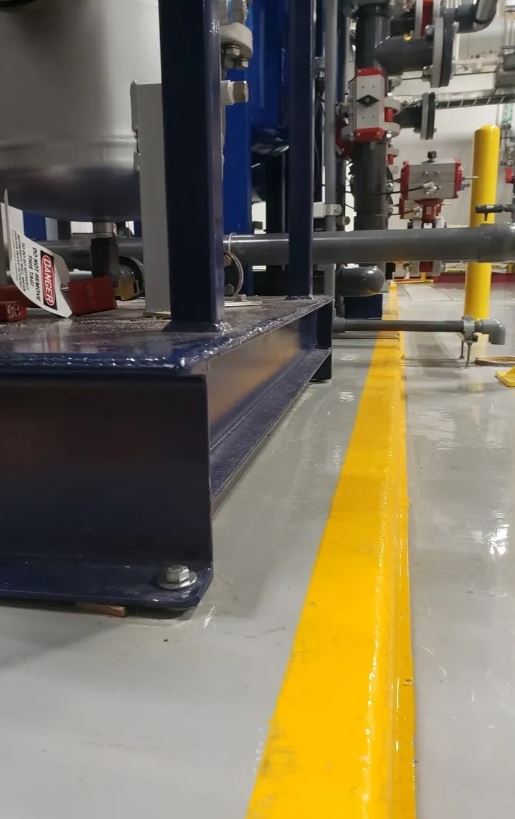
Want to invest in high-performance concrete flooring that hits the metrics you need? It's about more than just a floor; it's about cutting costs later. Durable flooring means less downtime for repairs in a busy warehouse. For commercial spaces, it means fewer disruptions for tenants and customers.
And nobody wants to deal with constant flooring issues.
A good concrete floor, designed to last and handle Colorado's challenges (freeze-thaw cycles and de-icing salts), will save you money and headaches. Businesses that cut corners on flooring end up paying more to fix problems later. You can pay a little now, or a lot later.
We offer solutions to address the challenges of Colorado concrete flooring projects. We can help with moisture, crack prevention, or just getting the right finish. We can ensure your concrete flooring delivers dependable performance and long-term durability.
Ready for a concrete flooring solution that works for your Colorado property? Contact us today for a consultation and a quote. We’ll help you figure out the best approach for your needs.